

TCC Concept has acquired online furniture and home decor platform Pepperfry in a deal valued at approximately Rs 1,200 crore, marking one of the largest transactions in India’s e-commerce furniture space and signalling growing institutional confidence in the country’s shift toward organised, digitally-native furniture retail. The acquisition gives TCC Concept control of one of India’s most recognised furniture marketplace brands at a moment when the broader domestic furniture market is valued at roughly $31.5 billion and expanding at a compound annual growth rate of 7.63% toward an estimated $45.5 billion by 2031.
Pepperfry, founded in 2011, built its position as a marketplace connecting furniture manufacturers and artisans directly with urban consumers, operating both an online platform and a network of physical “Studio” showrooms that allow customers to view products before purchase — a hybrid model that proved important in a category where buyers are traditionally reluctant to purchase big-ticket items sight unseen. The platform has weathered a difficult funding environment for consumer internet businesses in India over the past three years, during which several furniture and home decor startups struggled to raise growth capital as investors rotated away from capital-intensive, low-margin e-commerce categories toward software and AI-linked businesses.
The deal comes as India’s furniture sector undergoes simultaneous regulatory transformation, with the Bureau of Indian Standards’ Furniture Quality Control Order having entered enforcement in February 2026, mandating ISI certification for chairs, tables, beds and storage units. For an organised platform like Pepperfry, which already curates suppliers and can enforce quality and compliance standards across its seller network, the new regulatory regime plays to its structural advantage over fragmented, unorganised retail — a dynamic likely to have factored into TCC Concept’s valuation and strategic rationale for the acquisition. Industry watchers note that consolidation among organised furniture retailers is likely to accelerate as compliance costs rise, squeezing smaller players unable to absorb testing and certification expenses.
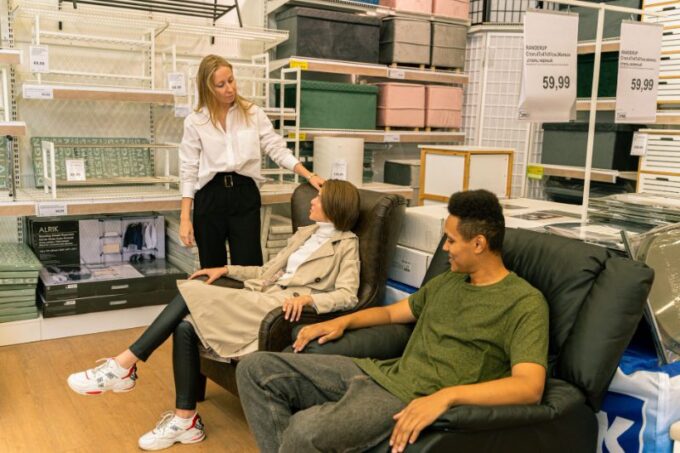
TCC Concept’s move also lands alongside continued expansion by global furniture retailer IKEA, which has announced a second-phase investment to deepen local sourcing, logistics and omnichannel reach across additional Indian cities, and against a backdrop of strong organised-sector performance elsewhere in the category — Nilkamal Furniture, for instance, posted an 18% year-on-year revenue jump to roughly Rs 968 crore in Q2 FY26, with e-commerce sales surging nearly 23%. Collectively, these developments point to a furniture market where capital is increasingly concentrating around scaled, compliance-ready, digitally-enabled players rather than being spread across thousands of small, informal manufacturers and retailers.
Reaction from India’s furniture and home decor trade has been largely positive, with sector analysts framing the acquisition as validation that furniture e-commerce, despite years of thin margins and high customer acquisition costs, can still command meaningful valuations when paired with brand recognition, supplier networks and physical showroom infrastructure. Competing platforms and regional furniture retailers are expected to face pressure to either scale up through similar consolidation or find defensible niches in categories such as custom furniture, premium design-led products, or hyperlocal same-day delivery that are harder for larger platforms to replicate efficiently.
For TCC Concept, the Pepperfry acquisition represents a direct bet that India’s furniture consumption story — underpinned by smaller urban apartments, rising disposable incomes, and a design-conscious younger demographic increasingly comfortable purchasing furniture online — has years of structural growth ahead. With the sector now also being reshaped by mandatory quality certification and continued foreign investment from players like IKEA, the Rs 1,200-crore deal is likely to be remembered as a marker of the moment India’s furniture retail decisively tilted toward organised, institutionally-backed players.







Leave a comment