

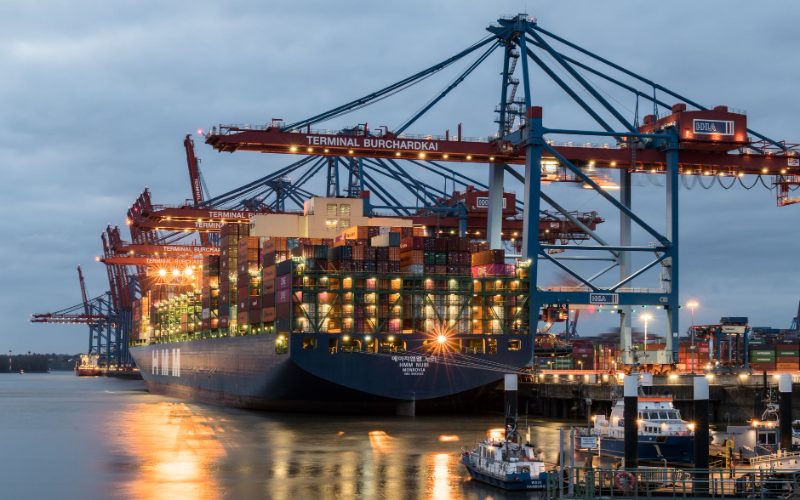
The United States has imposed new forced-labor tariffs of 10% to 12.5% on imports from 60 countries, including India, together covering roughly 99% of total US imports. The measure targets countries that Washington says have inadequately enforced bans on goods produced using forced labor.
The tariffs were announced on a Thursday in late July 2026 and took effect the following Friday morning, adding a new enforcement-driven layer on top of existing bilateral trade arrangements. India was reportedly moved from a proposed 12.5% tariff category down to the 10% category after reportedly taking measures to address forced-labor concerns raised by US authorities, according to reports from CNN Business, NPR, and Deccan Herald. The action underscores how forced-labor compliance has become a distinct lever in US trade policy, separate from traditional reciprocal tariff negotiations.
How Do the New US Forced-Labor Tariffs Affect India?
India faces a 10% forced-labor tariff on exports to the United States, a rate lower than the 12.5% level initially proposed for the country. Crucially, this tariff is layered on top of the existing reciprocal tariff structure between the two countries: in February 2026, the US and India reached an interim trade deal that cut the reciprocal tariff on Indian goods to 18% from 25%. Exporters in labor-intensive sectors such as textiles, apparel, leather goods, and other manufactured products are among those most exposed to the combined cost of both tariff layers when shipping to the US market. For many Indian manufacturers, the practical effect is a cumulative tariff burden that combines the 18% reciprocal rate with the new 10% forced-labor rate, rather than a single unified tariff figure.
How Are Trade Analysts and Industry Bodies Reacting?
Trade economists note that stacking forced-labor enforcement tariffs on top of existing reciprocal tariffs adds meaningful complexity for exporters trying to plan US market access and pricing. Industry observers point out that the sheer scope of the measure — spanning 60 countries and roughly 99% of US imports — signals a shift toward using tariffs as a compliance-enforcement tool for labor standards, not merely as a trade-balance instrument. This dual-purpose use of tariff policy is expected to keep compliance and sourcing teams closely engaged with US Customs and Border Protection guidance in the months ahead, particularly for industries with complex, multi-tier supply chains where labor practices at sub-supplier level are harder to verify.
Market and Trade Reaction
The forced-labor tariffs arrive amid a broader pattern of active US tariff enforcement through mid-2026. Separately, the US imposed 50% Section 338 tariffs on Canada, effective August 19, 2026, covering agriculture, dairy, furniture, and alcohol — an estimated $16 billion worth of goods. Taken together, these actions indicate that Washington is prepared to apply tariffs broadly and simultaneously across trading partners in 2026, rather than negotiating narrowly with individual countries one at a time. Exporters across affected sectors, including many in India, are reassessing supply chains, documentation, and compliance processes in response to the layered US tariff structure. Trade desks and sourcing teams are also watching how the forced-labor tariffs interact with existing category-specific tariffs already in place across textiles, electronics, and industrial goods.
What Happens Next?
The forced-labor tariffs on India and the 59 other affected countries are already in effect as of late July 2026, having taken hold the Friday morning following the Thursday announcement. Exporters and trade compliance teams should monitor whether additional countries are added to or removed from the list, whether individual country rates are adjusted based on further enforcement measures, and how the layered tariff structure — India’s 18% reciprocal tariff plus the new 10% forced-labor tariff — affects landed costs for US-bound goods through the remainder of 2026. Given the Canada precedent, further sector-specific or country-specific tariff actions in the second half of 2026 cannot be ruled out.
Frequently Asked Questions
What is the new US forced-labor tariff rate on India?
India faces a 10% forced-labor tariff, having been moved down from a proposed 12.5% rate after reportedly addressing forced-labor enforcement concerns raised by US authorities.
How many countries are affected by the US forced-labor tariffs?
The tariffs apply to 60 countries, including India, and collectively cover approximately 99% of total US imports, according to reporting from CNN Business and NPR.
Is this tariff separate from the US-India reciprocal trade deal?
Yes. It is an additional layer on top of the February 2026 interim deal that cut India’s reciprocal tariff to 18% from 25%. The 10% forced-labor tariff applies on top of that existing reciprocal rate, not in place of it.








Leave a comment