

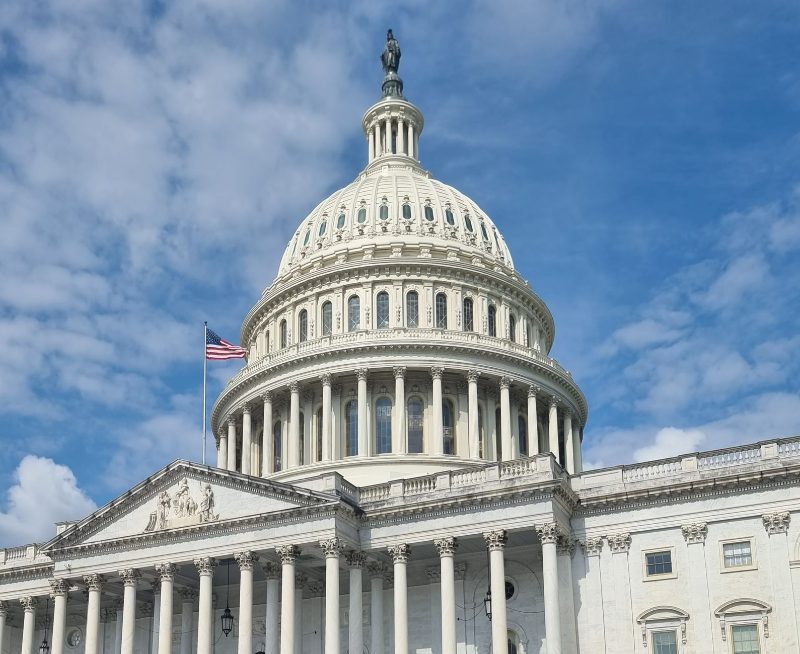
The US House Rules Committee is scheduled to meet on September 14, 2026, to set terms of debate on the Lindsey O. Graham Sanctioning Russia and Iran Act of 2026, a bill that would let the White House impose secondary tariffs of up to 100% on the top buyers of Russian oil and gas, a list that includes India, China and Turkey. The India Russia oil tariff bill cleared the Senate 86-11 last month and now moves toward a House floor vote, directly affecting India’s single largest source of crude imports.
Russia has supplied more than 50% of India’s crude oil imports in June and July 2026, and nearly 43% through late August, with Russian exports to India rising to over USD 34 billion between April and July, up almost 60% from a year earlier. The bill gives the White House discretion to impose the tariffs, meaning implementation would depend on a presidential decision even after House passage.
Why Does This Tariff Bill Target India?
The legislation authorises secondary tariffs of up to 100% on the top five importers of Russian oil and gas, along with countries facilitating sanctions evasion. India’s Russian oil imports surged after 2022 as Indian refiners took advantage of discounted crude following Western sanctions on Russia, making India one of Moscow’s largest oil customers alongside China. US lawmakers have framed the bill as pressure to cut off funding for Russia’s war in Ukraine, though the discretionary tariff structure gives the administration room to negotiate exemptions.
What Has India’s Response Been?
India’s Ministry of External Affairs has said it is “closely following developments” on the proposed tariffs, while Russia has separately vowed to keep selling oil to India regardless of US tariff threats. New Delhi has maintained that its energy purchases are driven by market factors and national energy security, a position reiterated even as Prime Minister Modi met Russian President Vladimir Putin on the sidelines of the Shanghai Cooperation Organisation summit in late August 2026.
Market and Trade Reaction
Indian refiners and oil-marketing companies have been closely tracking the bill’s progress, with some reportedly diversifying crude sourcing to reduce concentration risk ahead of a possible House vote. Energy analysts note that a full 100% tariff, if actually imposed, would be highly disruptive to India-US trade relations more broadly, given it would apply on top of any existing tariff rates under ongoing bilateral trade negotiations.
What Happens Next?
Following the September 14 Rules Committee meeting, the bill is expected to receive a House floor vote in the following days. Even if passed, the tariff authority would remain discretionary, meaning the White House could choose whether, when and against whom to apply it, leaving room for continued India-US negotiations on trade and energy issues in parallel.
Frequently Asked Questions
What is the Graham Russia sanctions bill?
It is the Lindsey O. Graham Sanctioning Russia and Iran Act of 2026, passed by the US Senate 86-11, which would authorise secondary tariffs of up to 100% on the top buyers of Russian oil and gas, including India and China.
How much Russian oil does India import?
Russia supplied more than 50% of India’s crude imports in June and July 2026 and nearly 43% through late August, with Russian exports to India exceeding USD 34 billion between April and July 2026.
When could the tariffs take effect?
The bill authorises but does not mandate the tariffs; the House Rules Committee meets September 14, 2026 ahead of a floor vote, after which implementation would depend on a discretionary decision by the White House.











Leave a comment