

The global natural rubber market is set to run a supply deficit for a sixth consecutive year in 2026, with worldwide demand estimated at 15.6 million tonnes against supply of just 15.2 million tonnes, according to industry trade estimates. India sits at the sharp end of this structural tightness: domestic natural rubber demand is projected to grow 3.6% in 2026, a rate that outpaces most major global markets and is being driven overwhelmingly by the automotive and electric vehicle sectors, alongside continued infrastructure spending that is lifting consumption of rubber in everything from tyres to industrial hoses and seals.
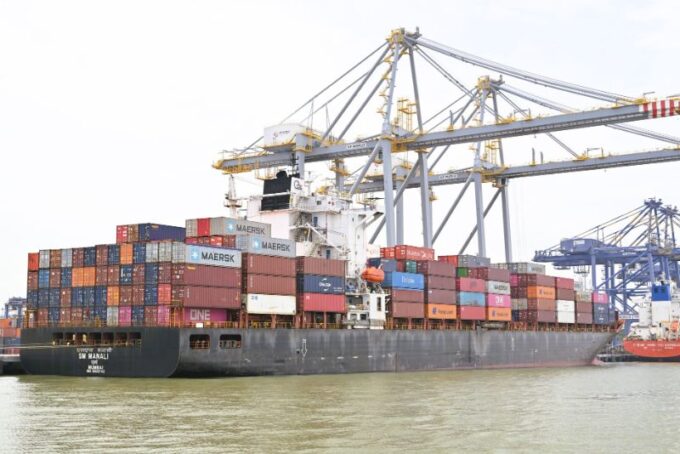
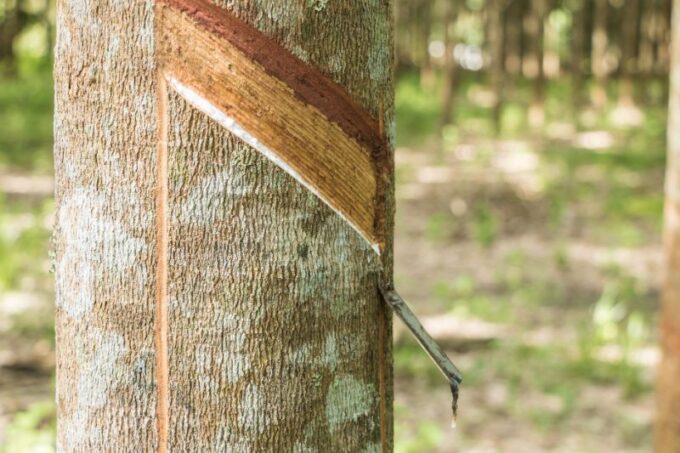
The persistent global deficit reflects a structural mismatch between rubber tree planting cycles, which take roughly seven years to reach tappable maturity, and the accelerating pace of demand growth from tyre manufacturers responding to booming vehicle production across Asia. India’s own rubber-growing regions, concentrated in Kerala and parts of the Northeast, have struggled to expand plantation area meaningfully in recent years due to competing land use and labour availability constraints, leaving the country reliant on imports to bridge a widening gap between domestic production and consumption by its tyre industry, one of the largest in the world by volume.
For India’s tyre manufacturers, including Apollo Tyres, MRF, CEAT and JK Tyre, the sustained global deficit translates directly into elevated raw material costs, a pressure point that has persisted even as other input costs, such as crude-linked synthetic rubber and carbon black, have shown some relief in recent months. Natural rubber typically accounts for a significant share of tyre manufacturing costs, and with global supply structurally unable to keep pace with demand, Indian tyre makers have had limited room to pass on cost increases given intense domestic price competition and the need to remain competitive in export markets, particularly to the United States and Europe.
The demand picture is further complicated by India’s electric vehicle transition, which the industry says is a net positive for rubber consumption despite EVs requiring fewer moving parts than internal combustion vehicles overall. EVs are typically heavier due to battery weight, requiring tyres engineered for higher load ratings and different wear characteristics, often translating into higher rubber content per tyre compared with conventional passenger vehicle tyres. As India’s EV sales continue to scale in 2026, this dynamic is expected to add incremental demand pressure on an already tight natural rubber market.
Adding a further layer of complexity to India’s rubber trade, China has been running anti-dumping investigations into halogenated butyl rubber imports from multiple countries, though Beijing’s probe into Indian exporters was terminated after preliminary findings did not support continued action, sparing Indian butyl rubber suppliers the 13.8-30.1% duties that Chinese authorities ultimately imposed on Japanese and Canadian producers in March 2026. That outcome leaves Indian exporters of specialty rubber grades, used in applications ranging from tyre inner liners to pharmaceutical stoppers, better positioned than some competitors to serve Chinese demand even as broader India-China trade friction persists in other sectors.
Looking ahead, industry participants expect the rubber sector to lean further into sustainability and traceability initiatives, including latex traceability systems and circular-economy recycling of post-use rubber products, partly in response to European Union deforestation-linked sourcing regulations that are beginning to affect natural rubber trade flows globally. For India, bridging the domestic natural rubber supply gap will likely require a combination of expanded plantation incentives, greater blending with synthetic rubber grades, and continued capacity investment in synthetic rubber production, an area where Indian producers have been expanding to offset structural natural rubber scarcity through 2026 and beyond.








Leave a comment