


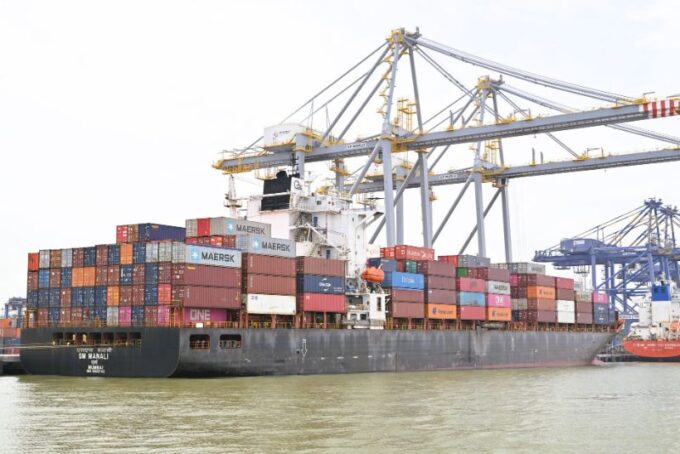
The India-US trade deal announced on February 2, 2026, slashes US reciprocal tariffs on Indian goods from 50% to 18%, delivering one of the most significant bilateral trade breakthroughs in decades. Described as the “Father of All Deals” by Commerce Minister Piyush Goyal, the India US trade deal 2026 covers markets representing over 20% of global GDP and is expected to drive a $50–70 billion increase in bilateral trade within three years.
The agreement was announced jointly by US President Donald Trump and Prime Minister Narendra Modi at the White House on February 2, 2026. Under the interim framework, the US will apply an 18% reciprocal tariff on originating goods from India — down from 25% announced in April 2025 and from the de facto 50%+ barriers that applied to many categories — while India has agreed to progressively eliminate tariffs and non-tariff barriers on US goods, with the stated goal of bringing these barriers to zero.
Which Indian Sectors Benefit from the India-US Trade Deal 2026?
The 18% US tariff covers a wide range of Indian exports including textiles and apparel, leather and footwear, plastic and rubber goods, organic chemicals, home décor, artisanal products, and certain machinery. More significantly, the deal provides for complete removal of the reciprocal tariff on generic pharmaceuticals, gems and diamonds, and aircraft parts — sectors where India is globally competitive. India’s pharmaceutical industry, which exports $9.3 billion worth of generics to the US annually, stands to gain the most from zero-tariff access. Small and medium enterprises in textiles, leather, and jewellery — which employ over 60 million workers — will see partial to full tariff relief.
What Do Economists and Industry Bodies Say?
The United Nations ESCAP noted that the India-US agreement marks a structural reset in South Asian trade dynamics, potentially diverting $15–20 billion in orders from China and Southeast Asia to India. CII President Sanjiv Puri called it a “watershed moment for Indian manufacturing.” However, India’s agricultural concessions — including expanded market access for US soybean oil, DDGS (Distillers Dried Grains with Solubles), and red sorghum — have drawn criticism from domestic farm lobbies. India successfully excluded pulses from the US tariff framework, protecting a strategic food security commodity. The Stimson Center has noted that the deal also includes energy commitments, with India pledging to reduce Russian oil purchases and increase US energy, technology, and coal imports.
Market and Trade Reaction
The BSE Sensex rose 2.1% on the day the deal was announced, with pharmaceuticals, IT, and textiles leading gains. The rupee strengthened to ₹83.4 per dollar. Tata Consultancy Services, Infosys, and Wipro — which collectively earn over $25 billion annually from US clients — saw their shares rise 2–4% on improved bilateral sentiment. The NSE Nifty Pharma Index gained 5.3%. Indian diamond and gems exporters from Surat, representing $22 billion in annual US exports, are expected to see near-immediate order growth with zero tariff access.
What Happens Next?
The interim trade agreement is subject to a comprehensive framework negotiation expected to conclude by December 2026. Key unresolved issues include data localisation norms, India’s digital trade regulations, agricultural market access for US products, and India’s intellectual property framework for pharmaceuticals. The next round of technical negotiations is scheduled for August 2026 in Washington D.C. The deal requires Congressional notification in the US and Cabinet approval in India before full implementation, with the 18% tariff rate operative from February 2, 2026.
Frequently Asked Questions
What is the current US tariff rate on Indian goods after the India-US trade deal 2026?
Following the India-US trade deal announced on February 2, 2026, the US applies an 18% reciprocal tariff on originating goods from India, significantly reduced from the previous 25–50% effective rates. Pharmaceuticals, gems and diamonds, and aircraft parts are eligible for zero tariff under the interim agreement.
What did India agree to give the US in the trade deal?
India agreed to progressively eliminate tariffs and non-tariff barriers on US goods, expand market access for US agricultural products (soybean oil, DDGS, red sorghum), reduce purchases of Russian crude oil, and increase imports of US energy, technology, coal, and defence equipment.
How does the India-US deal compare to the India-EU FTA 2026?
While both deals are transformational, the India-EU FTA is broader in regulatory scope and covers 99%+ of tariff lines bilaterally. The India-US deal is an interim framework focused on immediate tariff relief with a full agreement to be negotiated through 2026. The US deal is considered the “Father of All Deals” for its scale; the EU deal is the “Mother” for its complexity and depth.









Leave a comment