

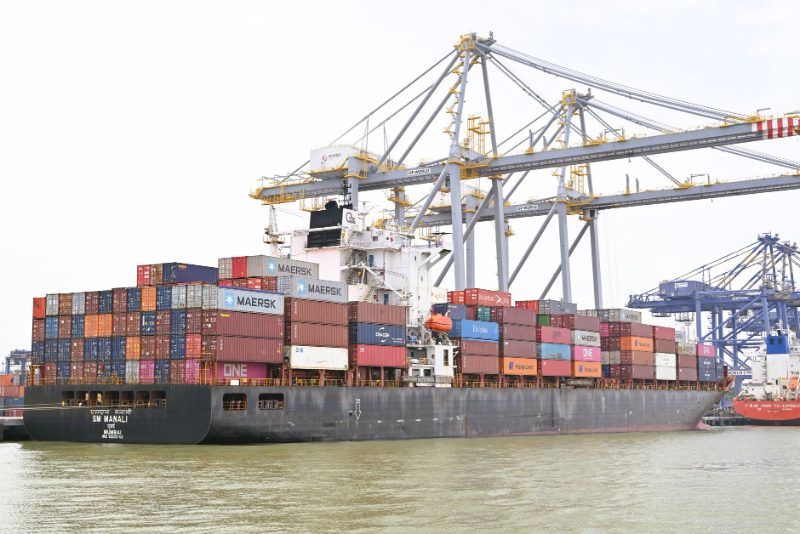
The India-EU Free Trade Agreement concluded on January 27, 2026, is the largest trade deal ever signed by either party, covering two billion people and nearly 25% of global GDP. Dubbed the “Mother of All Deals” by Commerce Minister Piyush Goyal for its regulatory depth and complexity, the India EU free trade agreement 2026 will remove or reduce tariffs on over 96.6% of India’s exports to the EU and 99.3% of EU exports to India, unlocking billions of dollars in annual trade.
The deal was announced at the India-EU Summit in New Delhi on January 27, 2026, following over 16 years of negotiations that were suspended multiple times. The agreement covers goods, services, investment protection, intellectual property rights, digital trade, sustainable development, and dispute settlement — the most comprehensive trade framework India has ever signed.
How Will the India-EU FTA 2026 Affect Indian Exports?
Indian exporters stand to gain significantly across multiple sectors. Textiles and apparel, which previously faced a 12% EU duty, now gain duty-free access from entry into force — eliminating a pricing disadvantage that cost Indian garment exporters an estimated $2.1 billion annually versus Bangladesh and Vietnam which had preferential rates under the EU’s GSP framework. Marine products, leather goods, footwear, gems and jewellery, chemicals, plastics, sports goods, and toys will all attract zero duty. The agreement is expected to boost India’s merchandise exports to the EU by 25–30% over five years, adding approximately $30 billion to annual export revenues at peak.
What Do Trade Analysts and Industry Bodies Say?
The Confederation of Indian Industry (CII) described the agreement as a “generational opportunity” for Indian manufacturing. The Federation of Indian Export Organisations (FIEO) estimates that the textiles and apparel sector alone could add 500,000 jobs over five years due to increased EU orders. The World Economic Forum noted that the deal elevates India-EU trade, currently at $140 billion annually, into a different league — comparable to the EU-Canada CETA and EU-Japan EPA which took years to deliver full benefits. However, the European automobile industry has cautioned that India’s phased tariff reduction on EU cars over 10–15 years limits near-term market access.
Market and Trade Reaction
Indian equity markets responded positively to the finalised agreement, with the BSE Sensex gaining 1.2% on announcement day. Textile and garment stocks such as Arvind Ltd, Welspun India, and Page Industries gained 4–7%. The rupee strengthened marginally against the euro. European luxury goods and premium automobile brands, including BMW, Mercedes-Benz, and LVMH, have indicated plans to expand India operations ahead of tariff reductions. India’s pharmaceutical sector — the world’s third-largest by volume — is also expected to benefit from clearer IP frameworks enabling faster EU market approvals.
What Happens Next?
Before entering into force, the agreement requires legal vetting, translation into 24 EU official languages, approval by the Council of the European Union, consent of the European Parliament, and ratification by the Indian Union Cabinet. The process is expected to take 18–24 months. Provisional application of certain trade-in-goods provisions may begin earlier. The first tariff reduction tranche is expected on Day 1 of entry into force, with subsequent tranches over 7–15 years depending on the product category.
Frequently Asked Questions
What is the India-EU Free Trade Agreement 2026?
The India-EU Free Trade Agreement, concluded on January 27, 2026, is a comprehensive bilateral trade and investment pact covering goods, services, digital trade, and sustainability. It will eliminate or reduce tariffs on over 96% of Indian exports to the EU, making it the largest trade deal India has ever signed.
Which Indian sectors benefit most from the India-EU FTA 2026?
Textiles and apparel, leather and footwear, gems and jewellery, marine products, chemicals, pharmaceuticals, and IT services stand to benefit most. Garment exporters gain immediate duty-free access, eliminating their 12% competitive disadvantage versus Bangladesh and Vietnam in the EU market.
When will the India-EU FTA come into force?
The India-EU FTA is expected to enter into force in 2027–2028, after completing legal verification, translation into EU languages, European Parliament approval, Council of EU ratification, and Indian Cabinet approval. Provisional application of certain provisions may begin earlier.









Leave a comment