

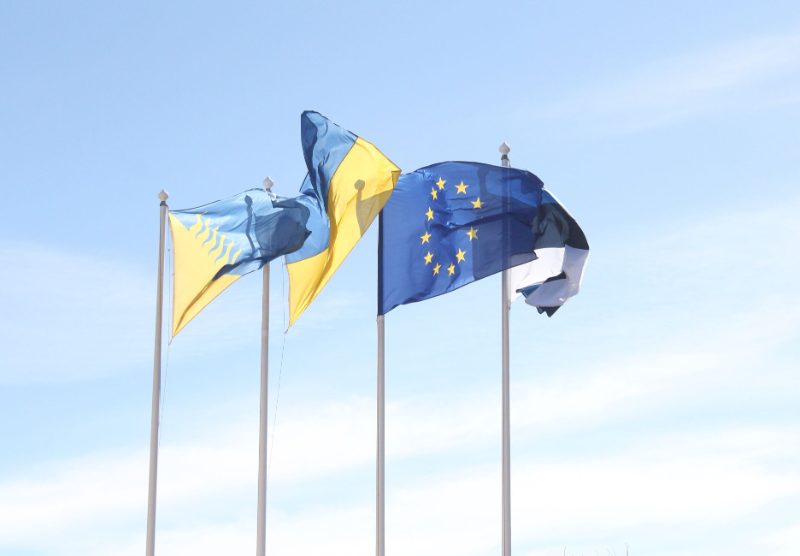
India and the European Union are on track to formally sign their landmark Free Trade Agreement by the end of 2026, European Commission President Ursula von der Leyen has said, following the conclusion of negotiations on January 26, 2026, at the 16th India-EU Summit. The agreement creates the world’s largest free trade zone by population, covering roughly two billion people and nearly 25% of global GDP.
Under the concluded deal, India will eliminate or reduce tariffs on 96.6% of EU exports by value, while the EU will reciprocate with tariff cuts on 99.5% of Indian goods, including reductions of up to 10% on nearly $33 billion worth of Indian exports in labour-intensive sectors such as textiles, apparel, leather, footwear, marine products, gems and jewellery, handicrafts and engineering goods.
Why Is There a Gap Between Conclusion and Signing of the India-EU FTA?
Free trade agreements of this scale typically require legal scrubbing, translation into all EU official languages, and ratification processes on both sides before formal signing, which explains the roughly year-long gap between the January 2026 conclusion and the anticipated end-2026 signing. Union Commerce Minister Piyush Goyal has called the pact the “mother of all deals,” reflecting its scale relative to India’s other trade agreements.
The agreement also covers digital trade and SME-focused provisions alongside conventional goods and services chapters, adding to the technical complexity of finalising legal text across 27 EU member states.
What Do Trade Analysts Say About the FTA’s Impact?
Trade economists tracking the deal describe it as a strategic diversification move for India, reducing reliance on any single export market amid ongoing tariff uncertainty with the United States. Industry chambers have flagged the textile, leather and engineering goods sectors as likely first movers once tariff cuts take effect, given the scale of duty reductions already agreed for these categories.
Market and Trade Reaction
Export-oriented sectors including textiles and gems and jewellery have welcomed the confirmed signing timeline, viewing it as added certainty for order planning into 2027. European exporters, in turn, are expected to benefit from India’s reciprocal tariff elimination on machinery, automobiles and other industrial goods once the agreement is ratified.
What Happens Next?
Formal signing is expected before the end of 2026, after which both sides will need to complete domestic ratification procedures before the agreement enters into force. Businesses should monitor the Ministry of Commerce and Industry and European Commission trade portals for the confirmed signing date and entry-into-force timeline.
Frequently Asked Questions
When was the India-EU FTA concluded and when will it be signed?
Negotiations concluded on January 26, 2026, and the agreement is expected to be formally signed by the end of 2026, according to European Commission President Ursula von der Leyen.
How much of Indian exports will get EU tariff relief?
The EU will eliminate or reduce tariffs on 99.5% of Indian goods, with cuts of up to 10% on nearly $33 billion of exports in sectors like textiles, leather and engineering goods.
Which sectors benefit most from the India-EU FTA?
Labour-intensive sectors including textiles, apparel, leather, footwear, marine products, gems and jewellery, handicrafts and engineering goods stand to gain the most from EU tariff cuts.










Leave a comment