

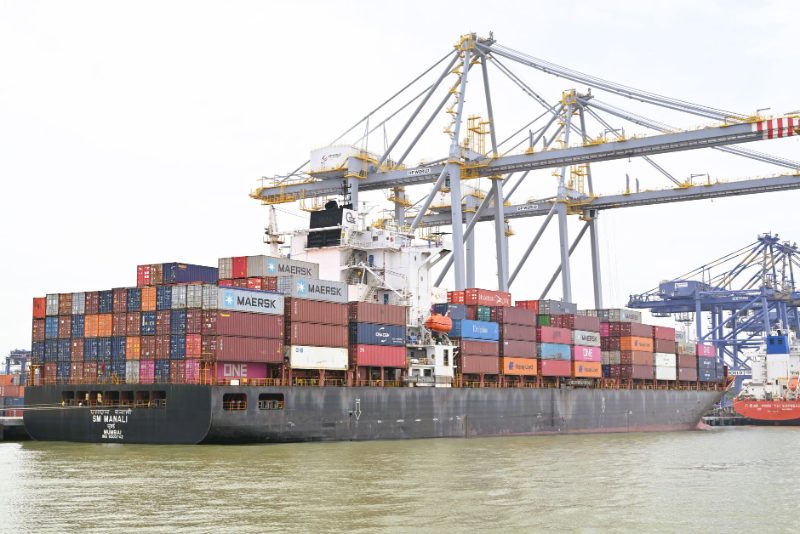
India’s Commerce and Industry Minister Piyush Goyal and UK Business and Trade Secretary Peter Kyle have agreed to reposition the Joint Economic and Trade Committee (JETCO) to oversee implementation of the India-UK Comprehensive Economic and Trade Agreement (CETA), which entered into force on July 15, 2026. The move marks the first major operational step since the agreement took effect, shifting focus from negotiation to on-the-ground delivery for exporters on both sides.
CETA gives nearly 99% of Indian exports, by tariff lines, duty-free access to the UK market and immediately removed the UK’s 12% import tariff on Indian textile and apparel exports. Industry estimates suggest bilateral trade could nearly double from about $58 billion in 2025-26 to close to $120 billion by 2030 if the agreement is fully leveraged.
What Does the JETCO Repositioning Mean for CETA Implementation?
Repositioning JETCO as the implementation oversight body means the committee will now track tariff-line utilisation, resolve non-tariff barriers, and coordinate on customs and certification issues that exporters encounter in practice rather than in treaty text. Both ministers have flagged CBAM-related carbon border concerns and MSME preparedness as priority areas where exporters need active government support to convert tariff access into actual trade.
For sectors such as textiles, apparel, leather, footwear, marine products, engineering goods and automobiles, which received the deepest tariff cuts under CETA, the JETCO mechanism is expected to serve as the primary channel for flagging implementation bottlenecks to both governments.
What Do Trade Officials and Exporters Say?
Commerce ministry officials describe the Goyal-Kyle meeting in Mumbai as a signal that both governments intend to actively manage CETA’s rollout rather than treat entry into force as the endpoint. Trade analysts note that historically, free trade agreements often underperform their tariff-elimination potential because non-tariff barriers and certification hurdles are addressed too slowly; the JETCO reset is aimed at avoiding that pattern.
Market and Trade Reaction
Exporters in labour-intensive sectors have welcomed the renewed institutional focus, particularly textile and apparel manufacturers who saw an immediate 12% tariff cut take effect in July. Trade bodies have asked for expedited resolution of certification recognition issues so smaller exporters can access UK buyers without added compliance costs.
What Happens Next?
JETCO is expected to hold structured implementation reviews in the coming months, with commerce ministry officials indicating that specific non-tariff barrier resolutions and MSME support measures will be announced as they are finalised. Businesses should track Ministry of Commerce and Industry updates for CETA-specific procedural guidance.
Frequently Asked Questions
When did the India-UK CETA come into force?
The India-UK Comprehensive Economic and Trade Agreement entered into force on July 15, 2026, following its conclusion in May 2025.
What is JETCO’s role under CETA?
The Joint Economic and Trade Committee (JETCO) has been repositioned to oversee CETA’s implementation, tracking tariff utilisation and resolving non-tariff barriers for exporters.
Which Indian sectors benefit most from CETA?
Textiles, apparel, leather, footwear, marine products, gems and jewellery, engineering goods and automobiles received the deepest UK tariff cuts under CETA.












Leave a comment