

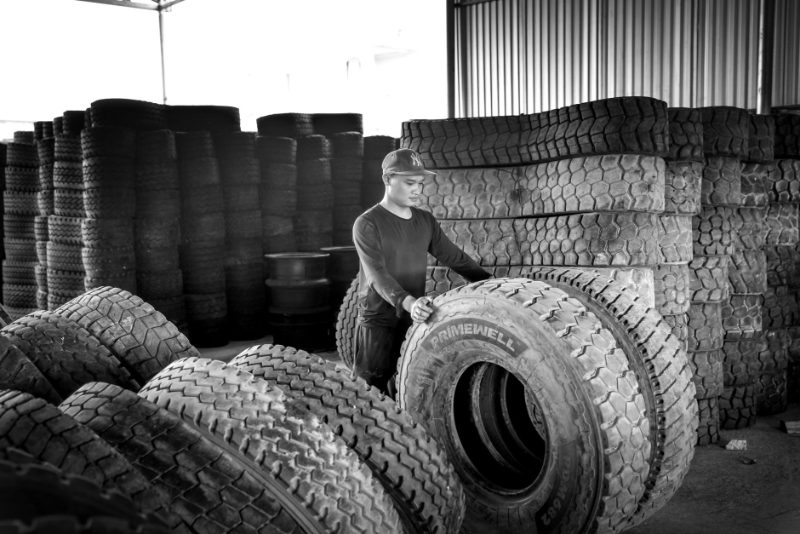
Shares of India’s leading tyre makers, including MRF, JK Tyre, CEAT and Apollo Tyres, have surged as much as 21% in September 2026, far outperforming a Sensex that has slipped around 0.30% over the same period. The rally is being driven by falling natural rubber prices, which account for a major share of tyre manufacturing costs, alongside expectations of healthy domestic demand for the 2026-27 financial year.
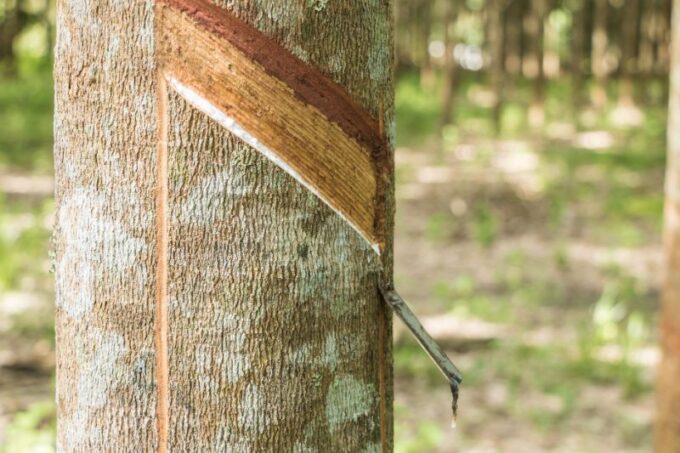
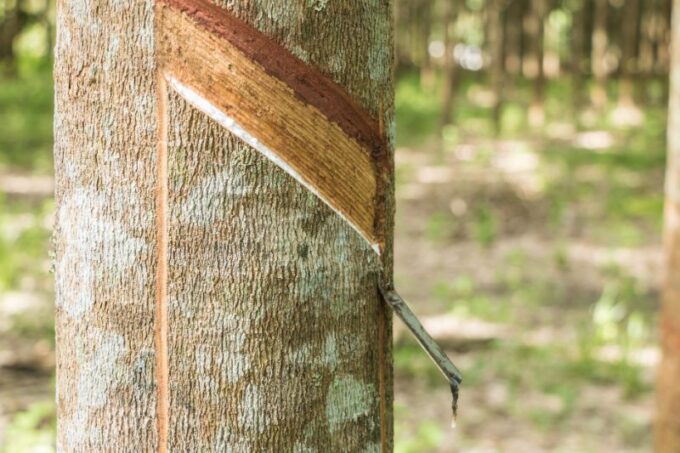
Natural rubber prices have declined amid a global oversupply, with major producers including Thailand, Vietnam, Indonesia, Malaysia and India all expanding rubber cultivation in recent years to meet rising automotive demand. Analysts tracking the sector say the combination of softer input costs and resilient domestic vehicle sales has made tyre stocks one of the standout performing pockets of India’s manufacturing sector this month, even as exporters in the same industry face separate headwinds from global shipping disruptions.
Why Are Tyre Stocks Rallying in September 2026?
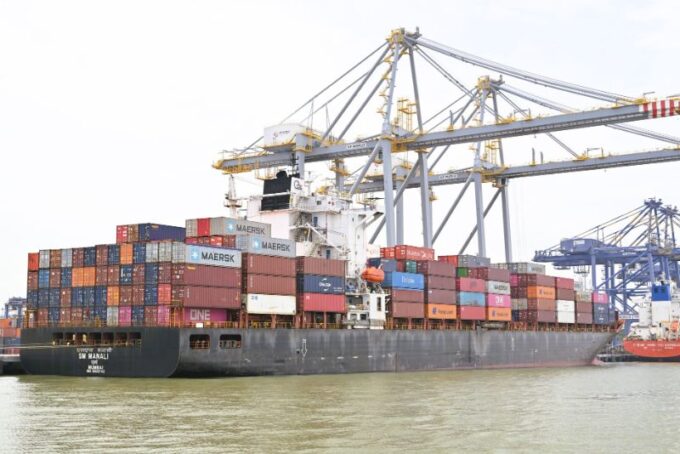
Falling natural rubber prices directly improve tyre makers’ gross margins, since rubber typically makes up a substantial share of raw material costs for tyre manufacturing. With Southeast Asian producers ramping up cultivation and global supply outpacing demand growth, rubber prices have eased even as automotive original equipment and replacement demand in India remains steady. ICRA and other rating agencies have noted that margin improvement from cheaper rubber is helping offset pressure from rising freight costs tied to the ongoing West Asia conflict, which has disrupted export shipping routes for Indian tyre makers.
What Does This Mean for India’s Rubber and Tyre Industry?
India’s tyre sector is expected to see healthy domestic demand through FY27, even as exports remain under pressure from elevated freight costs and geopolitical disruptions in key shipping corridors. MRF, CEAT and Apollo Tyres have all been recognised among the world’s strongest tyre brands in 2026, with MRF ranked third globally behind Michelin and Goodyear, reflecting the sector’s growing global stature even as it navigates near-term cost and trade volatility. For India’s broader rubber industry, where more than 80% of manufacturing units operate under the MSME framework, the price decline is a double-edged sword: it benefits tyre majors as buyers of natural rubber, but squeezes rubber growers and smallholder farmers who supply the raw material.
Market Reaction and Industry Response
Tyre stocks have been among the best-performing segments on Indian bourses this month, with several counters hitting fresh highs as investors price in margin expansion. At the same time, the All India Rubber Industries Association has continued to press the government for higher import duties on finished rubber products, arguing that cheaper imports undercut domestic manufacturers even as raw material costs ease. This tension between tyre makers benefiting from lower rubber costs and rubber growers and MSME processors facing squeezed realisations has become a recurring theme in industry policy discussions this year.
What Happens Next?
Market watchers expect tyre stocks to remain sensitive to natural rubber price trends through the rest of 2026, particularly as Southeast Asia’s peak tapping season ends in September, which typically tightens near-term supply. Investors will also track how escalating West Asia shipping disruptions affect export volumes and freight costs for tyre exporters. On the policy side, the rubber industry’s push for higher import duties could resurface in upcoming budget or trade policy discussions, potentially affecting the cost dynamics that have fuelled this month’s rally.
Frequently Asked Questions
Why have Indian tyre stocks rallied in September 2026?
Falling natural rubber prices, driven by global oversupply as producers like Thailand, Vietnam and India expand cultivation, have improved tyre makers’ margins, pushing stocks like MRF, JK Tyre, CEAT and Apollo Tyres up as much as 21% this month.
How does the natural rubber price decline affect rubber farmers?
While falling rubber prices benefit tyre manufacturers as buyers, they squeeze realisations for rubber growers and MSME processors, prompting industry bodies like the All India Rubber Industries Association to seek higher import duties on finished rubber products.
What risks remain for India’s tyre industry despite the rally?
Rising freight costs and shipping disruptions linked to the West Asia conflict continue to pressure tyre exports, even as domestic demand and lower input costs support margins through FY27.









Leave a comment