

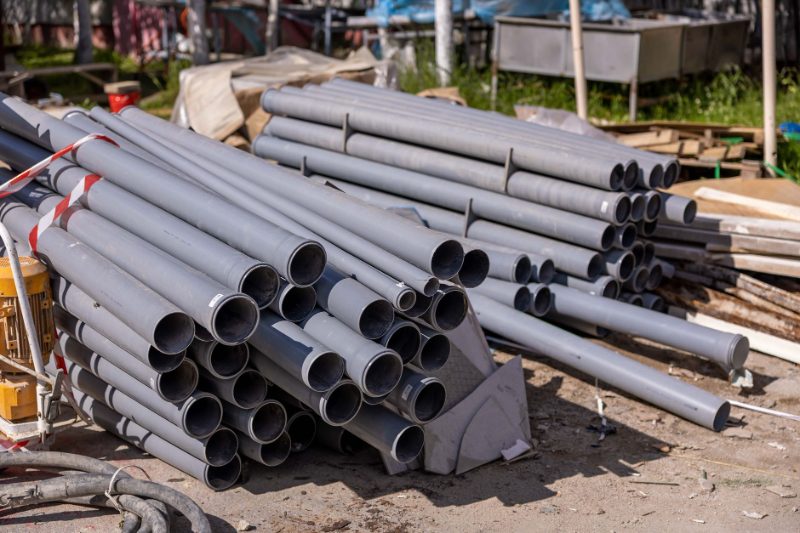
Supreme Industries, India’s largest plastic pipe maker, is set for an improved second quarter of FY27 as polyvinyl chloride (PVC) prices stabilise and channel restocking drives a demand recovery, according to brokerage research published on September 8, 2026. PVC prices averaged ₹79 per kilogram in Q2FY27, up sharply from ₹66 per kg in the same quarter last year, while remaining range-bound after the government’s minimum import price (MIP) mechanism curbed volatility.
After a weak first quarter in which volumes fell 14 percent year-on-year due to channel destocking, Supreme Industries is expected to benefit from healthy plumbing demand that recovered after April and remained steady through July and August, according to 360 One Capital Research analysts Amit Srivastava and Varun Julasaria. Infrastructure-linked demand, however, has yet to meaningfully pick up.
Why Are PVC Prices Stabilising in India’s Plastics Sector?
The key driver behind price stability is the minimum import price mechanism on PVC, which has held domestic prices in a ₹80-85 per kg band after sharp volatility earlier in 2026. This policy intervention has given organised pipe manufacturers like Supreme Industries and Astral more pricing predictability, while pressuring smaller unorganised players who previously competed on price. Higher PVC-linked realisations combined with healthy volumes are expected to support a favourable second quarter for India’s plastic pipe manufacturers as a group.
What Does This Mean for India’s Plastics Industry?
Supreme Industries has retained its FY27 guidance of 15-17 percent volume growth for its plastic piping segment and 12-13 percent growth overall, with operating margin guidance maintained at 14-14.5 percent. The company’s management expects agricultural demand deferred in Q1FY27 to return by the end of September as PVC prices stabilise and the MIP places a floor under pricing. Supreme is also targeting cumulative exports of $150 million over six to seven years, up from just $26 million last year, prioritising markets covered by India’s free trade agreements.
Market Reaction and Industry Response
ICICI Securities analysts Arun Baid and Nikunj Shah maintained a “buy” rating on Supreme Industries with a price target of ₹4,200, citing expected recovery in piping volumes, integration benefits from its Wavin acquisition, and an expanding value-added product portfolio. 360 One Capital Research kept its target price at ₹4,661, noting Supreme trades at a more attractive 28 times FY28 earnings compared to 41 times for rival Astral, which has built a diversified building-materials platform spanning plumbing, adhesives and paints. Supreme’s stock has fallen around 21 percent over the past year despite the improving fundamentals.
What Happens Next?
Investors will watch Supreme Industries’ Q2FY27 results, expected in the coming weeks, for confirmation of the projected 19 percent-plus year-on-year volume growth analysts are pencilling in. Higher PVC prices are also expected to raise working capital requirements industry-wide, a dynamic ICICI Securities believes will further benefit organised players like Supreme at the expense of smaller, unorganised manufacturers. The company’s progress on export diversification and the Wavin integration will remain key watch points through the rest of FY27.
Frequently Asked Questions
Why did Supreme Industries have a weak Q1FY27?
Supreme Industries’ plastic piping volumes fell 14 percent year-on-year in Q1FY27 due to channel destocking and sharp polymer price volatility, though revenue still grew 4 percent on better realisations.
What is driving the Q2FY27 recovery for Supreme Industries?
Stabilising PVC prices near ₹79 per kg, healthy plumbing demand since April, and expected restocking of deferred agricultural demand are driving the anticipated Q2FY27 recovery for Supreme Industries and other pipe manufacturers.
What is Supreme Industries’ FY27 growth guidance?
Supreme Industries has guided for 15-17 percent volume growth in plastic piping and 12-13 percent overall volume growth for FY27, with operating margins maintained at 14-14.5 percent.










Leave a comment