

The Delhi government has formally notified its second-generation electric vehicle policy, rolling out a package of subsidies and tax exemptions that took effect July 1, 2026, and will run through March 31, 2030. The Delhi EV Policy 2.0 carries an estimated outlay of ₹15,000 crore, one of the largest state-level clean mobility commitments in the country to date.
The Headline Incentives
At the centre of the policy is a 100 percent waiver on road tax and registration fees for battery electric passenger cars priced at ₹30 lakh or below, ex-showroom. Vehicles priced above that threshold will not qualify for the tax waiver, a deliberate design choice the government says targets middle-class buyers rather than luxury EV purchasers. Alongside the tax exemption, the policy introduces a scrappage incentive of up to ₹1 lakh for owners who scrap a Delhi-registered BS-IV or older vehicle and purchase a new EV priced under ₹30 lakh within six months of receiving their Certificate of Deposit.
Two- and three-wheeler buyers are also covered under a tiered subsidy structure. In the policy’s first year, electric two-wheelers priced below ₹2.25 lakh qualify for subsidies of up to ₹30,000, electric three-wheelers and auto-rickshaws for ₹50,000, and electric goods vehicles in the N1 category for up to ₹1 lakh. These amounts step down in year two, to ₹20,000, ₹40,000, and ₹75,000 respectively, a taper the government says is designed to front-load adoption while the segment is still price-sensitive.
Hybrids Left Out
In a notable departure from earlier draft proposals, the Cabinet-approved final policy excludes hybrid vehicles from state subsidies and tax exemptions entirely, restricting support to pure battery electric vehicles. Auto industry executives had lobbied for hybrids to be included as a transitional category, but the government held firm on a zero-emission-only standard, signalling a harder line on emissions policy than some manufacturers had anticipated.
Infrastructure Commitments
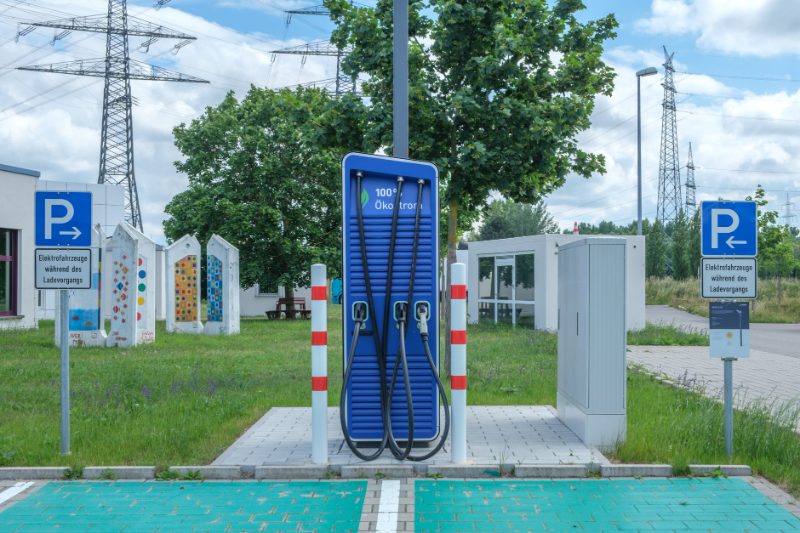
Beyond purchase incentives, the policy sets out an expansion plan for public charging infrastructure, with the government targeting roughly 23,000 charging stations across the National Capital Territory over the policy period. Officials have linked the infrastructure buildout directly to range-anxiety concerns cited by prospective EV buyers in the city, particularly for the three-wheeler and last-mile delivery segments that make up a large share of Delhi’s commercial vehicle fleet.
Market and Industry Reaction
Automakers with an existing EV lineup in the sub-₹30-lakh bracket have welcomed the policy as a demand catalyst heading into the festive buying season later this year. Dealers in Delhi NCR report a jump in customer inquiries since the notification, though actual sales conversion will depend on how quickly the state processes tax-waiver paperwork and scrappage certificates. Petrol and diesel vehicle dealers, by contrast, have flagged concern over the policy’s parallel provision phasing out new registrations of petrol two-wheelers in the capital from 2028, calling for a longer transition runway.
What It Means for the Sector
Delhi’s move adds to a growing list of state EV policies competing to attract manufacturing and buyer interest, and its ₹15,000 crore outlay sets a new benchmark other states may find difficult to match. For India’s broader electric mobility push, the policy’s exclusion of hybrids and its targeted subsidy design will likely be studied closely by other state governments drafting their own EV frameworks over the coming fiscal year.











Leave a comment