

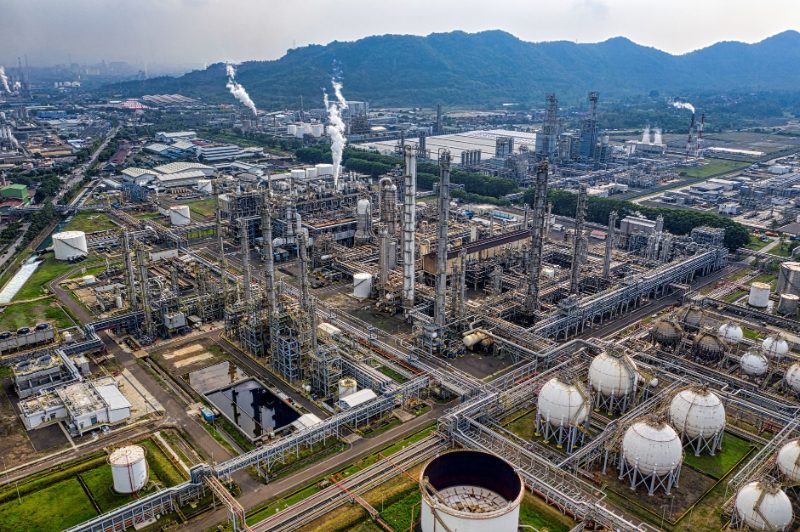
Haldia Petrochemicals is set to inaugurate a new INR 6,000 crore phenol and acetone plant in West Bengal on October 14, 2026, marking one of the largest single petrochemical investments in eastern India this year. The facility includes what the company describes as India’s first on-purpose propylene plant based on olefin conversion technology, positioning Haldia Petrochemicals to reduce reliance on imported phenol and acetone, two key inputs for the paints, adhesives, and engineering plastics industries.
The announcement comes as India’s Department of Chemicals and Petrochemicals pursues a broader national target of building a $1 trillion chemicals sector by 2040, a goal discussed at a CEO roundtable in New Delhi on August 24, 2026, where more than 100 delegates from global and domestic chemical companies gathered to chart investment and financing strategies for capital-intensive upstream projects like Haldia’s new plant.
Why Is Haldia Petrochemicals Building a Phenol-Acetone Plant?
Phenol and acetone are critical intermediates used to manufacture bisphenol-A, epoxy resins, polycarbonate plastics, and various coating and adhesive formulations, most of which India currently imports in significant volumes. By adding on-purpose propylene capacity through olefin conversion technology, Haldia Petrochemicals aims to secure a captive feedstock supply chain, reducing exposure to volatile international propylene and phenol prices that have pressured Indian chemical importers, including reports of tightening vessel availability pushing up replacement costs in recent weeks.
What Does This Mean for India’s Chemicals and Downstream Industries?
A domestic phenol-acetone source could benefit downstream industries including paints and coatings, which rely on epoxy and polycarbonate-based formulations, as well as electronics and automotive component makers that use engineering plastics derived from these intermediates. The plant’s commissioning would also support India’s broader ambition, articulated by the Department of Chemicals and Petrochemicals, to nearly triple chemicals demand to $1 trillion by 2040 by building out upstream capacity that currently forces significant import dependence across specialty and intermediate chemicals.
Market Reaction and Industry Response
Industry stakeholders have broadly welcomed the investment as a step toward import substitution in a segment where India remains heavily reliant on overseas suppliers. The project has been discussed alongside other capital-intensive investment announcements in India’s chemicals space, including Shivtek Spechemi’s new Hazira facility, as evidence that both large public-sector-linked players and smaller specialty producers are expanding capacity in anticipation of sustained domestic demand growth through the rest of the decade.
What Happens Next?
The plant’s formal inauguration on October 14, 2026, will be a key milestone to watch, along with subsequent ramp-up timelines for commercial production. Industry watchers will also track whether the facility helps ease the vessel-availability-driven price pressure currently affecting India’s chemical import market, and whether the government’s $1 trillion chemicals sector roadmap translates into further large-scale upstream investment announcements in the coming months.
Frequently Asked Questions
What is Haldia Petrochemicals’ new plant and when will it open?
It is a INR 6,000 crore phenol and acetone plant in West Bengal, including India’s first on-purpose propylene plant using olefin conversion technology, scheduled for inauguration on October 14, 2026.
Why does India need domestic phenol and acetone production?
Phenol and acetone are key inputs for epoxy resins, polycarbonate plastics, and coatings, and India currently imports significant volumes, exposing downstream industries to global price volatility and supply disruptions.
How does this fit into India’s broader chemicals sector goals?
The plant supports the Department of Chemicals and Petrochemicals’ target of growing India’s chemicals sector to $1 trillion by 2040, a goal discussed with industry leaders at an August 2026 CEO roundtable in New Delhi.












Leave a comment